
Modern Gardening Trends 2026: A Complete Urban Gardening Guide
Gardening in Camberwell has evolved dramatically over the past decade. Limited space, changing climate conditions, rising property values, and increased environmental awareness have all reshaped how people design and use outdoor spaces.
In 2026, modern gardening is no longer just about decoration. It has become a blend of sustainability, functionality, wellbeing, and smart design. Gardens are now treated as extensions of living spaces, even when they are small balconies, courtyards, or rooftop terraces.
This guide explores the most important modern gardening trends for 2026 and explains how homeowners can apply them in practical, stylish, and cost-effective ways.
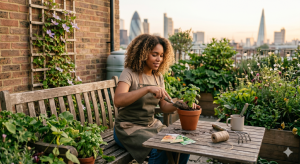
1. Climate-Resilient and Low-Maintenance Planting
One of the strongest gardening shifts is the move towards climate-resilient planting. This is largely driven by increasingly unpredictable weather patterns, including hotter summers and wetter winters.
Gardeners are now prioritising plants that can survive fluctuating conditions with minimal intervention. Drought-tolerant and hardy species are especially popular because they reduce the need for constant watering and replacement.
Plants such as lavender, ornamental grasses, echinacea, and salvia are widely used because they cope well with both dry spells and sudden rainfall. These plants also support pollinators, which is becoming a key focus in urban biodiversity efforts.
The overall aim is to create gardens that look good all year round without requiring intensive maintenance.
2. Wildlife-Friendly Urban Gardens
Wildlife gardening has moved from a niche interest to a mainstream trend in London. Even small urban gardens are now being designed as mini ecosystems that support birds, bees, butterflies, and hedgehogs.
Instead of perfectly controlled spaces, gardeners are now allowing slightly more natural growth in certain areas. This does not mean neglect, but rather intentional design that includes habitats for wildlife.
For example, leaving a section of longer grass can provide shelter for insects, while berry-producing shrubs offer natural food sources for birds. Hedgehog corridors are also becoming more common, with small gaps in fences allowing safe movement between gardens.
This approach benefits biodiversity while also creating more dynamic and visually interesting outdoor spaces.
3. Vertical Gardening for Small Spaces
With limited ground space across much of London, vertical gardening has become essential. It allows homeowners to maximise greenery without sacrificing valuable floor space.
Vertical gardens use walls, fences, and trellis systems to grow plants upwards instead of outwards. This technique is especially useful in courtyards, balconies, and narrow gardens.
Climbing plants such as jasmine, ivy, and honeysuckle are commonly used because they provide both greenery and seasonal fragrance. In more functional designs, vertical systems also support edible plants like herbs and strawberries.
This trend is not just aesthetic. It also improves air quality, increases privacy, and helps reduce the urban heat effect in densely built areas.
4. Edible and Productive Urban Gardens
Another major trend in Camberwell gardening is the integration of edible planting into everyday garden design. Instead of separating vegetable patches from ornamental areas, modern gardens now combine both.
This approach allows homeowners to grow food in a visually appealing way. Herb borders, fruiting plants, and container-grown vegetables are being used as part of decorative layouts.
Raised beds are particularly popular because they make gardening more accessible and organised. Even small spaces can support productive gardening when carefully planned.
This trend reflects a wider interest in self-sufficiency, sustainability, and reducing food miles.
5. Eco-Friendly Hard Landscaping
Hard landscaping in urban gardens is becoming more environmentally conscious. Traditional concrete surfaces are being replaced with permeable materials that allow rainwater to drain naturally into the soil.
This is especially important in urban areas where drainage systems can be overwhelmed during heavy rainfall. Permeable paving, gravel paths, and recycled materials are now widely used in modern garden design.
Natural materials such as sandstone, reclaimed brick, and timber are also preferred because they blend better with planting and reduce environmental impact.
The focus is on creating gardens that work with nature rather than against it.
6. Smart Gardening Technology
Technology is becoming an increasingly important part of modern gardening. Smart systems are helping homeowners manage their gardens more efficiently with less effort.
Automated irrigation systems are particularly popular because they adjust watering based on weather conditions and soil moisture levels. This reduces water waste while ensuring plants receive the right amount of hydration.
Smart lighting systems are also being used to create atmospheric outdoor spaces in the evening. These systems can often be controlled via mobile apps, allowing users to adjust brightness and timing remotely.
Even soil sensors are becoming more common, providing real-time data about plant health and soil conditions.
7. Outdoor Living Spaces and Garden Rooms
Gardens in Camberwell are increasingly being treated as additional living spaces rather than separate outdoor areas. This trend has led to the rise of outdoor seating zones, garden rooms, and multi-functional layouts.
Many homeowners now design gardens with dedicated areas for dining, relaxing, and entertaining. This is particularly useful in small spaces where every section needs to serve a purpose.
Covered seating areas, pergolas, and weather-resistant furniture are all part of this trend. The aim is to make gardens usable throughout the year, not just during summer.
This shift reflects a broader lifestyle change where outdoor comfort is just as important as indoor design.
8. Natural and Relaxed Garden Aesthetics
Highly structured and formal garden designs are gradually being replaced by more natural and relaxed styles. In 2026, London gardens are embracing softer edges, layered planting, and mixed textures.
Instead of rigid layouts, gardeners are opting for flowing planting schemes that mimic natural landscapes. This creates a more calming and immersive environment.
Colour palettes are also becoming more natural, with greens, purples, and earthy tones dominating planting schemes. The focus is on creating gardens that feel peaceful rather than overly designed.
9. Compact and Multi-Functional Design
Because space is limited in London, gardens are increasingly being designed to serve multiple functions. A single area might act as a seating space, a planting zone, and a storage solution all at once.
Built-in seating with integrated storage is becoming popular, as it maximises functionality without cluttering the space. Foldable or modular furniture is also widely used because it allows flexibility depending on the occasion.
This approach ensures even the smallest garden can feel practical and comfortable.
10. Sustainable Gardening Practices
Sustainability is no longer optional in modern gardening. It is now a core principle influencing almost every design decision.
Gardeners are increasingly using composting systems, rainwater collection, and organic soil treatments to reduce waste and improve efficiency. Chemical-free gardening methods are also becoming standard practice.
Mulching, companion planting, and natural pest control are widely adopted techniques that help maintain healthy ecosystems without damaging the environment.
This trend reflects a growing awareness of the environmental impact of gardening choices.
Benefits of Modern Gardening Trends
Modern gardening approaches offer a wide range of benefits beyond aesthetics:
- Improved biodiversity and support for local wildlife
- Reduced maintenance through resilient planting choices
- Better use of limited urban space
- Lower water and resource consumption
- Increased property value through functional outdoor design
These benefits make modern gardening both practical and environmentally responsible.
Conclusion: The Future of Urban Gardens
Modern gardening in 2026 is defined by adaptability, sustainability, and intelligent design. Gardens are no longer static spaces but dynamic environments that serve multiple purposes, from relaxation and food production to wildlife support and smart living.
Whether working with a small balcony or a full-sized garden, the key trend is clear: create spaces that are functional, environmentally conscious, and enjoyable all year round.
The future of London gardening is not about having more space – it is about using space better.
Essential Gardening Tips and Practical Maintenance Guides
- Modern Gardening Trends 2026: A Complete Urban Gardening Guide
- Why Regular Garden Maintenance Saves You Money Long-Term
- Wildlife-Friendly Garden Design for Urban Homes
- Patio vs Decking: What Works Best in Small Gardens?
- Seasonal Garden Maintenance Checklist for Camberwell Homes
- Is Pressure Washing Safe for All Patio Types?
- Low-Maintenance Garden Ideas Perfect for Camberwell Homes
- Garden Clearance in Camberwell: Costs, Timeline & What’s Included (2026 Guide)