
Wildlife-Friendly Garden Design for Urban Homes
Urban gardens are often small, paved, or designed primarily for low maintenance. However, even compact outdoor spaces can play a powerful role in supporting local wildlife.
A wildlife-friendly garden design is not about letting things become overgrown. It is about intentionally creating habitats, food sources, and shelter for birds, pollinators, hedgehogs, and beneficial insects.
In this guide, we will explore how to transform even the smallest urban garden into a thriving ecosystem without sacrificing style or practicality.
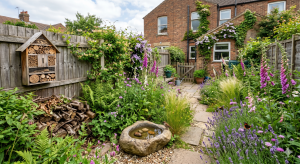
What Makes a Garden Wildlife-Friendly?
A wildlife-friendly garden is designed to actively support local ecosystems rather than simply being decorative. This means providing food, water, and shelter throughout the year.
It also involves reducing harm by avoiding chemicals, choosing sustainable materials, and allowing natural processes like pollination and decomposition to occur. The result is a balanced space where nature and design coexist.
Core Principles of Wildlife-Friendly Garden Design
Prioritising native planting
Native plants are naturally adapted to the local climate and soil, making them easier to maintain and far more beneficial to insects and birds. They also support a wider range of species compared to ornamental imports.
Supporting year-round biodiversity
A truly wildlife-friendly garden provides resources in every season, ensuring that animals and insects are not left without food or shelter during colder months.
Avoiding chemical treatments
Chemical pesticides and herbicides disrupt natural food chains and can harm pollinators, so organic alternatives or natural pest control methods are always preferable.
Creating layered habitats
Wildlife thrives in environments with different heights and structures, so combining ground cover, shrubs, and vertical planting increases biodiversity significantly.
Including water sources
Water is one of the most important yet overlooked elements, as even a small dish or bird bath can support a wide range of species.
Choosing Plants That Support Wildlife
Plant selection is the foundation of any wildlife garden, and diversity is key.
Flowering plants for pollinators
- Lavender is one of the best-known pollinator plants because it provides long-lasting nectar that attracts bees throughout summer.
- Foxgloves are particularly valuable for bees due to their tubular flowers, which provide deep access to nectar for long-tongued species.
- Echinacea offers a long flowering period and continues to provide seeds for birds into autumn.
- Sunflowers are highly visible and produce large seed heads that support birds later in the season.
- Wild marjoram is a hardy herb that produces clusters of small flowers rich in nectar, making it highly attractive to insects.
Shrubs that provide shelter and food
- Hawthorn creates dense cover that birds use for nesting while also producing berries that support wildlife in autumn.
- Holly offers evergreen shelter throughout winter and produces berries that are an important food source for birds during colder months.
- Dog rose produces simple flowers that attract pollinators, followed by rose hips that provide food for birds and small mammals.
- Elderberry grows quickly and produces clusters of berries that are particularly valuable for migrating birds.
- Hazel supports wildlife in multiple ways, offering catkins for early pollinators and nuts that feed squirrels and other animals.
Trees suitable for small urban gardens
- Crab apple trees are ideal for compact gardens because they offer spring blossom for pollinators and fruit for birds in autumn.
- Silver birch provides light canopy cover without heavily shading smaller plants, making it suitable for smaller spaces.
- Rowan trees are especially valuable for wildlife due to their bright berries, which attract birds in late summer.
- Ornamental cherry trees add seasonal beauty while also supporting early pollinators with their spring blossoms.
Ground cover plants that support soil life
- Thyme is a low-growing herb that creates dense mats of flowers, which attract bees while also helping to reduce weeds.
- Clover naturally enriches soil with nitrogen, improving soil health while providing nectar for pollinators.
- Creeping buttercup spreads easily and offers early-season flowers that support insects emerging in spring.
- Vinca minor creates evergreen ground cover that also produces small flowers, providing shelter for insects year-round.
Creating Habitats in Small Urban Gardens
Bird-friendly spaces
- Bird feeders filled with mixed seeds help support a variety of species, especially during winter when natural food sources are scarce.
- Nesting boxes placed at different heights encourage birds to settle in the garden, increasing biodiversity over time.
- Berry-producing shrubs not only provide shelter but also offer a natural food source that reduces reliance on feeders.
Insect and pollinator habitats
- Allowing small areas of grass to grow longer creates microhabitats where insects can live and reproduce safely.
- Insect hotels provide nesting spaces for solitary bees and other beneficial insects, helping pollination levels increase.
- Planting flowers with staggered blooming periods ensures that nectar is available from early spring through to late autumn.
Hedgehog-friendly features
- Creating small gaps in fences allows hedgehogs to move freely between gardens in search of food and shelter.
- Leaving piles of leaves or logs in quiet corners provides natural nesting and hibernation areas for hedgehogs.
- Avoiding slug pellets is essential because hedgehogs can be harmed indirectly through poisoned prey.
The Importance of Water in Wildlife Gardens
Water plays a critical role in supporting urban wildlife, particularly in warmer months.
- A shallow bird bath provides a safe drinking and bathing space for birds, which is essential for feather maintenance and cooling.
- Mini ponds, even when created in containers, support amphibians and insects that rely on still water habitats.
- Solar-powered fountains help keep water moving, which reduces stagnation and attracts more wildlife due to the sound and motion.
- Simple water dishes placed at ground level can also support bees and butterflies, especially during dry weather.
Designing Hard Landscaping for Wildlife
- Hard landscaping does not need to exclude nature; it can actively support it when designed carefully.
- Permeable paving allows rainwater to soak into the soil, which helps maintain natural drainage and supports underground ecosystems.
- Leaving small gaps between paving slabs encourages moss and small plants to grow, which in turn provides shelter for insects.
- Gravel areas can act as warm microhabitats for butterflies and bees, particularly in sunny spots.
- Natural stone materials are often more wildlife-friendly than sealed concrete surfaces because they allow moisture and airflow.
Vertical Gardening in Urban Spaces
- Vertical gardening is one of the most effective ways to increase biodiversity in small gardens.
- Living walls provide dense planting areas that support insects and improve air quality in urban environments.
- Climbing plants such as ivy and honeysuckle offer both shelter and nectar sources, making them highly valuable for wildlife.
- Wall-mounted planters allow you to layer different plant types vertically, maximising limited space.
- Trellis systems encourage upward plant growth, creating shaded areas that also provide nesting opportunities.
Seasonal Wildlife Garden Planning
- In spring, early-flowering plants like crocus and primrose support emerging pollinators when food is still scarce.
- During summer, dense flowering plants provide peak nectar availability while water sources become especially important.
- Autumn is the season for berries and seed heads, which feed birds preparing for migration or winter survival.
- In winter, evergreen plants and sheltered areas become critical for protection against cold weather.
Common Mistakes to Avoid
- One common mistake is over-managing the garden, which removes natural habitats and reduces biodiversity.
- Using chemicals such as pesticides disrupts natural food chains and can significantly reduce insect populations.
- Relying solely on ornamental plants often results in a garden that looks attractive but offers little ecological value.
- Removing all fallen leaves eliminates important shelter for insects and small mammals.
- Ignoring water sources limits the garden’s ability to support birds and pollinators effectively.
Benefits of Wildlife-Friendly Garden Design
- A well-designed wildlife garden increases biodiversity by creating a balanced ecosystem that supports multiple species.
- It naturally improves pest control because predators such as birds and ladybirds help manage harmful insects.
- It enhances mental wellbeing by providing a calming, nature-rich environment that reduces stress.
- It often requires less maintenance over time compared to traditional ornamental gardens.
- It also contributes positively to wider environmental efforts by supporting urban biodiversity corridors.
Conclusion: Small Gardens, Big Ecological Impact
Wildlife-friendly garden design proves that even the smallest urban spaces can play a meaningful role in supporting nature. By carefully selecting plants, creating layered habitats, and incorporating water and shelter, any garden can become a thriving ecosystem.
The key is not size, but intention. With thoughtful design, urban gardens can move beyond decoration and become living, breathing environments that benefit both wildlife and people.
Essential Gardening Tips and Practical Maintenance Guides
- Modern Gardening Trends 2026: A Complete Urban Gardening Guide
- Why Regular Garden Maintenance Saves You Money Long-Term
- Wildlife-Friendly Garden Design for Urban Homes
- Patio vs Decking: What Works Best in Small Gardens?
- Seasonal Garden Maintenance Checklist for Camberwell Homes
- Is Pressure Washing Safe for All Patio Types?
- Low-Maintenance Garden Ideas Perfect for Camberwell Homes
- Garden Clearance in Camberwell: Costs, Timeline & What’s Included (2026 Guide)